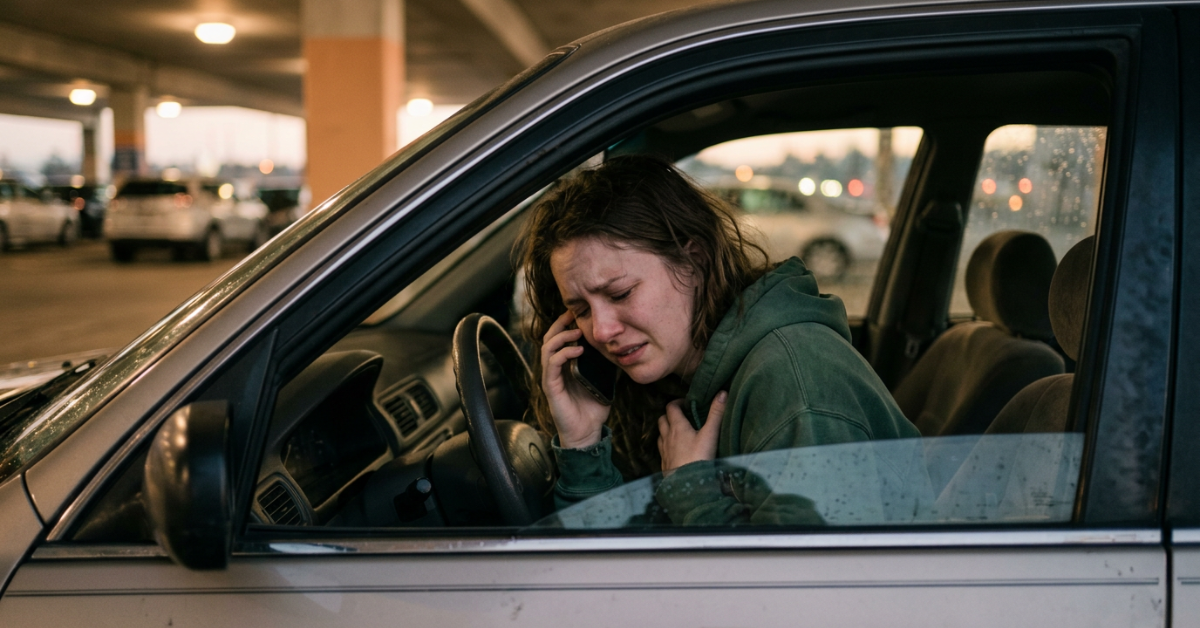
It’s 2pm on a Tuesday afternoon and one of our admissions coordinators received a text message out of desperation that said, “panic attacks are ruining my life” and nothing else. Instead of sending back a generic response or rushing through another intake call, she immediately stopped what she was doing and picked up the phone. For the context of this story we’ll call her Beth.
Beth stayed on the line as the person cried, struggled to breathe, and explained how fear had taken over every part of their life — work, relationships, sleep, even leaving the house. Like many who experience anxiety and panic attacks, the person went on to describe their chest tightening like a heavy weight is being pressed down with crushing force, while each breath feels shallow and incomplete no matter how desperately air is pulled in. Heat rushes through the body followed by chills. Fingers go numb. The room can suddenly feel unreal, dreamlike, disconnected, as though the world is slipping out of reach.
Beth assessed quickly if this was an emergency requiring medical response or if she would be able to help the person through the momentary autonomic nervous system responses.
How do I know if this was a panic attack?
Many people who experience a panic attack for the first time don’t realize what’s happening. They often believe they’re having a heart attack, losing control, or that something catastrophic is about to happen. A panic attack typically comes on suddenly and creates an intense wave of physical and emotional symptoms that peak within minutes. Common signs include a racing heart, chest tightness, dizziness, shaking, shortness of breath, nausea, numbness or tingling, sweating, and an overwhelming sense of fear or doom. Some people feel detached from reality or disconnected from their own body during the episode.
During a panic attack, the brain perceives danger — even when no physical threat exists — and the sympathetic nervous system floods the body with stress hormones like adrenaline. That’s what causes:
- Rapid heartbeat
- Shortness of breath
- Chest tightness
- Sweating or chills
- Trembling
- Dilated pupils / narrowed vision
- Tingling or numbness
- Hypervigilance and fear
How do you treat panic attacks?
Treating recurrent panic attacks requires more than stopping the symptoms in the moment. It requires understanding and stabilizing the underlying nervous system, mental health conditions, and emotional stress that may be fueling them.
The most effective treatment for panic attacks and panic disorder is a comprehensive approach that addresses both the physical nervous system response and the underlying emotional and psychological causes driving the anxiety.
For many people, treatment begins with evidence-based therapies like Cognitive Behavioral Therapy (CBT), which helps individuals recognize the thought patterns, fears, and behaviors that trigger panic and teaches them how to regain control during episodes.
Medication can also play a critical role, especially when panic attacks are severe, frequent, or debilitating. Antidepressants such as SSRIs are commonly used to regulate anxiety long-term, while certain fast-acting medications may be used carefully during periods of acute distress.
Residential inpatient treatment can be one of the most effective options because it provides 24/7 clinical support, medication stabilization, psychiatric care, and relief from the outside stressors that often keep the nervous system trapped in survival mode. Holistic treatments like breathwork, mindfulness, nervous system regulation, trauma therapy, exercise, proper sleep, and peer support can further strengthen recovery by helping the body relearn safety.
What is the difference between a panic attack and a panic disorder?
Although the terms are often used interchangeably, panic attacks and panic disorder are not the same thing.
A panic attack is a sudden episode of intense fear and physical distress that can happen to anyone, even people without a diagnosed mental health condition. It may occur during periods of high stress, trauma, exhaustion, substance use, or overwhelming anxiety and can involve symptoms like chest pain, rapid heartbeat, dizziness, shaking, shortness of breath, and a feeling of losing control or dying.
A panic disorder, however, is a diagnosable anxiety condition characterized by recurring and unexpected panic attacks combined with persistent fear of having another attack. Over time, this fear can become debilitating, causing individuals to avoid certain places, situations, or activities in an attempt to prevent future episodes. In other words, a panic attack is the event itself, while panic disorder is the ongoing condition built around repeated attacks and the fear that follows them.
While many people use the term “panic disorder” broadly, panic-related conditions can present in several different ways depending on how the anxiety affects a person’s thoughts, behaviors, and daily functioning. The most recognized form is Panic Disorder, which involves recurring and unexpected panic attacks followed by ongoing fear of having another one.
Some individuals also develop Panic Disorder with Agoraphobia, where the fear of experiencing a panic attack becomes so overwhelming that they begin avoiding places, crowds, driving, traveling, or situations where escape may feel difficult. Others experience
Situational Panic Attacks, where episodes are triggered by specific environments or stressors such as public speaking, flying, social settings, or trauma reminders. There are also Nocturnal Panic Attacks, which occur suddenly during sleep and can wake someone in a state of terror with intense physical symptoms.
In many cases, panic symptoms overlap with other mental health conditions such as generalized anxiety disorder (GAD), PTSD, OCD, depression, or trauma-related disorders, making proper assessment and treatment extremely important. Regardless of the type, panic disorders can deeply impact a person’s quality of life, relationships, physical health, and sense of safety if left untreated.
Understanding the difference is important because recurring panic attacks often require deeper therapeutic intervention, medication management, and long-term treatment to fully address the underlying causes and restore a sense of safety and stability.
Treating panic attacks and panic disorders at Brighten Bay
At Brighten Bay, treating panic attacks and panic disorders goes far beyond managing symptoms. We focus on helping individuals regain a true sense of safety, stability, and control in their lives. Our residential treatment program provides a calm, structured environment where clients can step away from the constant stressors, triggers, and pressures that often keep the nervous system trapped in a cycle of fear and survival.
Through individualized psychiatric care, medication stabilization, evidence-based therapies, trauma-informed treatment, and holistic healing approaches, we help clients understand the root causes behind their panic while learning how to regulate both the mind and body. Our clinical team closely monitors symptoms and medication responses in real time, allowing treatment plans to be adjusted safely and effectively without the unpredictability of outside stress.
If you or your loved one are experiencing the symptoms related to panic attacks or a panic disorder give our admissions team a call. We are here to help 24 hours a day, 7 days a week.