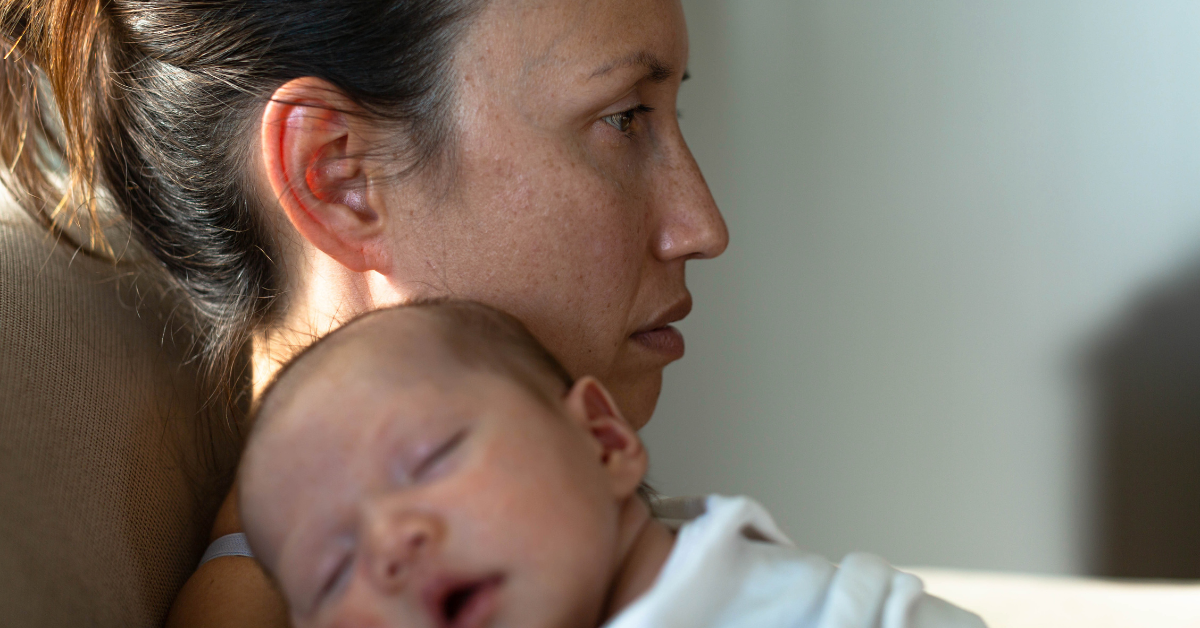
Inpatient treatment for postpartum depression provides intensive psychiatric care for women experiencing severe or potentially dangerous symptoms. Postpartum depression can cause sadness, anxiety, hopelessness, exhaustion, and difficulty caring for yourself or your baby. The National Institute of Mental Health notes that severe cases may also involve thoughts of self-harm.
Inpatient programs provide 24-hour support, psychiatric evaluation, medication management, therapy, and structured daily care. Treatment plans may also consider breastfeeding, sleep, physical recovery, medical history, and co-occurring mental health conditions. Hospitalization may be recommended when symptoms create significant safety concerns or severely interfere with daily functioning. Postpartum psychosis is a psychiatric emergency that usually requires immediate treatment and hospitalization.
What Is Postpartum Depression?
Postpartum depression is a mood disorder that can develop after childbirth. It causes emotional and physical symptoms that extend beyond the temporary “baby blues.” Common symptoms include persistent sadness, anxiety, hopelessness, irritability, fatigue, and difficulty concentrating. Some women may also struggle to bond with their baby or manage everyday responsibilities.
Symptoms can begin during pregnancy or emerge within the weeks and months after delivery. Hormonal changes, sleep disruption, stress, and previous mental health conditions may increase a person’s risk.
Postpartum depression is a medical condition, not a reflection of someone’s ability to parent. Treatment may include therapy, medication, social support, or more intensive psychiatric care when symptoms become severe.
How Is Postpartum Depression Different From the “Baby Blues”?
The “baby blues” are common emotional changes that often appear within the first few days after childbirth. Symptoms may include mood swings, tearfulness, irritability, anxiety, and feeling overwhelmed. These symptoms are usually mild and often improve within two weeks without formal treatment.
Postpartum depression is more persistent and can significantly affect daily functioning. Symptoms may include intense sadness, hopelessness, anxiety, withdrawal, and difficulty bonding with the baby. Postpartum depression typically lasts longer than two weeks and may require professional treatment. Severe symptoms can also include thoughts of self-harm or harming the baby.
How Common Is Postpartum Depression?
About one in eight women report depressive symptoms after giving birth, according to the CDC. The National Institute of Mental Health estimates postpartum depression occurs in approximately 15% of births. Rates can vary based on personal history, social support, stress, and other risk factors. Previous depression during or before pregnancy can also increase the likelihood of postpartum depression. Because symptoms may go unrecognized, some people may never receive a formal diagnosis or treatment.
What Causes Postpartum Depression?
Postpartum depression does not have one single cause. Research suggests it develops through interactions between hormonal changes, brain signaling, stress systems, genetics, and environmental factors. During pregnancy, estrogen and progesterone levels rise substantially, then decline rapidly after delivery. These shifts also affect allopregnanolone, a progesterone-derived neurosteroid that helps regulate GABA-A receptors in the brain. GABA is the brain’s primary inhibitory neurotransmitter and helps regulate stress, anxiety, sleep, and emotional activity. Researchers believe some people may have difficulty adapting to these abrupt neurochemical changes after childbirth.
Postpartum depression may also involve changes in the hypothalamic-pituitary-adrenal axis, which regulates the body’s stress response. During pregnancy, cortisol and other stress-related hormones change significantly, requiring another major adjustment after delivery. Dysregulation of this system may increase vulnerability to depressive and anxiety symptoms.
Inflammation, genetic susceptibility, sleep disruption, and previous depression may further influence a person’s risk. NIMH also identifies trauma, life stress, childbirth demands, and hormonal changes as important contributing factors. These mechanisms do not affect everyone equally, which helps explain why postpartum depression varies widely between individuals.
What Are the Symptoms of Postpartum Depression?
Symptoms of postpartum depression can vary in severity and may affect emotions, thoughts, behavior, sleep, and daily functioning.
- Persistent sadness or frequent crying
- Feelings of hopelessness or emptiness
- Intense anxiety or excessive worry
- Irritability, anger, or mood swings
- Feeling overwhelmed or unable to cope
- Loss of interest in previously enjoyable activities
- Difficulty bonding with the baby
- Feeling emotionally disconnected from the baby
- Excessive guilt, shame, or feelings of worthlessness
- Difficulty concentrating or making decisions
- Severe fatigue or loss of energy
- Changes in appetite
- Sleeping too much or being unable to sleep
- Social withdrawal from family or friends
- Persistent fears about being an inadequate parent
- Intrusive or distressing thoughts
- Difficulty completing everyday tasks
- Thoughts of death or suicide
- Thoughts of harming yourself or the baby
When Does Postpartum Depression Require Inpatient Treatment?
Inpatient treatment is appropriate when postpartum depression becomes severe, disabling, or creates immediate safety concerns. Severe symptoms can interfere with eating, sleeping, personal care, decision-making, and the ability to safely care for a baby. NIMH notes that perinatal depression can sometimes threaten the health and well-being of both parent and baby.
Hospitalization may be considered when someone experiences suicidal thoughts, self-harm behaviors, or thoughts of harming their baby. ACOG recommends immediate suicide risk assessment when a postpartum patient reports thoughts of self-harm. Inpatient care provides continuous supervision, psychiatric stabilization, medication management, and structured therapeutic support.
Postpartum psychosis requires an even more urgent response. Symptoms can include hallucinations, delusions, paranoia, mania, confusion, and severely disorganized behavior. Postpartum psychosis is a psychiatric emergency and typically requires hospitalization.
Inpatient treatment may also help when outpatient therapy and medication have not provided enough stabilization. Treatment decisions should consider symptom severity, safety risks, psychiatric history, medical needs, and available support at home
What Is Inpatient Treatment for Postpartum Depression?
Inpatient treatment provides 24-hour psychiatric care for people experiencing severe postpartum depression or serious safety concerns. Treatment takes place in a hospital or specialized mental health facility with continuous clinical supervision. Care begins with a psychiatric evaluation, medication management, psychotherapy, sleep stabilization, and support with daily functioning.
The goal is to stabilize symptoms while protecting the health and safety of both parent and baby. Treatment plans may also consider breastfeeding, physical recovery, medical conditions, and other mental health diagnoses. Postpartum depression treatment can include psychotherapy, antidepressants, zuranolone, or other appropriate medications.
Inpatient care becomes especially important when symptoms involve suicidality, psychosis, severe impairment, or an inability to function safely. Postpartum psychosis is a psychiatric emergency and usually requires hospitalization.
What Happens During Inpatient Treatment for Postpartum Depression?
Clinicians assess symptoms, safety concerns, medical history, medications, sleep, nutrition, and current support systems. The care team then develops an individualized treatment plan based on the patient’s immediate needs.
Treatment often includes daily psychiatric monitoring, medication management, individual therapy, and structured group therapy. Clinicians may also address anxiety, intrusive thoughts, trauma symptoms, or other co-occurring mental health conditions.
Sleep stabilization can be an important part of treatment because severe sleep disruption may worsen postpartum psychiatric symptoms. Nutrition, hydration, and physical recovery after childbirth may also be monitored throughout the inpatient stay.
Medication decisions may consider breastfeeding, previous treatment responses, symptom severity, and possible medication side effects. Family members or partners may also participate in education, therapy, or discharge planning when appropriate.
The primary goal is to stabilize symptoms and restore safe daily functioning. Before discharge, the treatment team creates a continuing care plan for recovery outside the inpatient setting.
What Medications May Be Used to Treat Postpartum Depression?
Medication can be an important part of treatment for moderate or severe postpartum depression. The best option depends on symptoms, medical history, previous medication responses, and breastfeeding considerations.
Antidepressants are commonly used when postpartum depression causes persistent or disruptive symptoms. Selective serotonin reuptake inhibitors, or SSRIs, are frequently considered because clinicians have extensive experience using them. Sertraline and escitalopram are examples that may be prescribed based on individual clinical needs.
Zuranolone, sold as Zurzuvae, is specifically FDA-approved for postpartum depression in adults. It works differently from traditional antidepressants by modulating GABA-A receptors in the brain. The medication is taken orally for 14 days rather than continuously. Clinical trials showed greater symptom improvement with zuranolone than placebo after the treatment course.
Brexanolone was the first medication specifically approved by the FDA for postpartum depression. It was administered through a continuous intravenous infusion in a monitored healthcare setting. However, commercial availability ended in the United States on December 31, 2024. Its FDA approval was subsequently withdrawn in April 2025.
Medications that may be considered for postpartum depression include:
- Zuranolone (Zurzuvae): An oral neuroactive steroid specifically approved for postpartum depression.
- Sertraline (Zoloft): An SSRI commonly used to treat depression and anxiety.
- Escitalopram (Lexapro): An SSRI that may help reduce depressive and anxiety symptoms.
- Fluoxetine (Prozac): An SSRI sometimes prescribed for postpartum depression.
- Citalopram (Celexa): An SSRI used to treat major depressive symptoms.
- Paroxetine (Paxil): An SSRI that may be considered for some postpartum patients.
- Venlafaxine (Effexor XR): An SNRI that affects serotonin and norepinephrine signaling.
- Duloxetine (Cymbalta): An SNRI that may be considered when clinically appropriate.
- Bupropion (Wellbutrin): An antidepressant affecting dopamine and norepinephrine pathways.
- Mirtazapine (Remeron): An antidepressant sometimes considered when sleep or appetite problems are significant.
Breastfeeding does not automatically prevent someone from receiving antidepressant treatment. Clinicians consider medication transfer into breast milk alongside the benefits of treating maternal depression. Medication choices should always be individualized with a qualified medical or psychiatric provider.
What Therapies Are Used to Treat Postpartum Depression?
Psychotherapy can help patients understand emotions, change harmful thought patterns, and develop healthier coping skills after childbirth. Treatment may occur individually, in groups, or alongside medication and psychiatric care. NIMH identifies cognitive behavioral therapy and interpersonal therapy as evidence-based treatments for perinatal depression.
Therapies used to treat postpartum depression may include:
- Cognitive Behavioral Therapy (CBT): CBT helps patients identify unhelpful thoughts and develop healthier behavioral responses.
- Interpersonal Therapy (IPT): IPT addresses relationship challenges, role transitions, communication difficulties, grief, and changes in social support.
- Supportive Psychotherapy: This approach provides emotional support while helping patients process stress, fears, and major life changes.
- Trauma-Focused Therapy: Trauma-informed approaches may help patients experiencing distress related to pregnancy, childbirth, or previous traumatic experiences.
- Group Therapy: Group sessions can reduce isolation and connect patients with others experiencing similar postpartum challenges.
- Family or Couples Therapy: These approaches may strengthen communication and improve support within the patient’s home environment.
- Mindfulness-Based Therapy: Mindfulness techniques may help patients recognize distressing thoughts without automatically reacting to them.
Therapy is often combined with medication when postpartum depression is moderate or severe. Treatment should reflect symptom severity, personal preferences, medical needs, and co-occurring psychiatric conditions.
Inpatient programs may provide several therapies within a structured daily schedule. This approach allows clinicians to monitor progress and adjust treatment as symptoms change.
How Does Inpatient Treatment Address Postpartum Anxiety and Other Co-Occurring Conditions?
Postpartum depression can occur alongside anxiety disorders, OCD, trauma symptoms, bipolar disorder, substance use, or other psychiatric conditions. ACOG recommends evaluating postpartum patients for multiple mental health conditions because symptoms can overlap significantly.
Inpatient treatment allows clinicians to assess these conditions within a structured and closely monitored environment. The treatment team may include psychiatrists, therapists, nurses, medical providers, and other behavioral health professionals.
Postpartum anxiety may involve excessive worry, panic, physical tension, racing thoughts, or persistent fears about the baby. Treatment may include psychotherapy, medication, behavioral strategies, and techniques that reduce nervous system arousal.
Postpartum OCD can involve intrusive thoughts and repetitive behaviors intended to reduce anxiety. Clinicians can distinguish intrusive thoughts from psychosis and develop an appropriate treatment plan.
Bipolar disorder also requires careful assessment because depressive episodes can resemble postpartum depression. ACOG recommends bipolar screening before beginning medication treatment for depression or anxiety.
Patients experiencing hallucinations, delusions, paranoia, mania, or severe confusion require immediate psychiatric evaluation. These symptoms may indicate postpartum psychosis, which is considered a psychiatric emergency. Inpatient care allows multiple conditions to be treated together instead of addressing postpartum depression alone. Treatment can then target the biological, psychological, behavioral, and safety factors affecting each patient.
What Is Postpartum Psychosis?
Postpartum psychosis is a rare but severe psychiatric condition that usually develops shortly after childbirth. Symptoms may appear suddenly and can worsen rapidly without treatment. Symptoms can include hallucinations, delusions, paranoia, confusion, agitation, unusual behavior, and severe changes in mood. Some people may also experience mania, decreased sleep, racing thoughts, or unusually high energy.
Postpartum psychosis is considered a psychiatric emergency because it can create serious safety risks. Immediate evaluation and hospitalization are often necessary to protect both the patient and baby.
Postpartum depression and postpartum psychosis are separate conditions with different symptoms and levels of severity. Postpartum depression commonly causes sadness, anxiety, hopelessness, fatigue, and difficulty functioning.
How Can Family Members Support Someone With Postpartum Depression?
Family support plays an important role in helping someone recover from postpartum depression. Loved ones can reduce stress by offering practical, emotional, and logistical support. Family members can help with meals, childcare, household tasks, transportation, and appointment scheduling. These actions can create more time for rest and treatment. Listening without judgment is also important. Avoid minimizing symptoms or suggesting the person should simply feel grateful or happy.
Encourage professional treatment when symptoms persist or begin affecting daily functioning. Offer to attend appointments or help coordinate care when appropriate. Family members should also watch for worsening symptoms, including hopelessness, severe withdrawal, confusion, or unusual behavior. Suicidal thoughts or psychotic symptoms require immediate professional evaluation.
Supporting sleep can be especially valuable during postpartum recovery. Family members may help with nighttime responsibilities when feeding arrangements and medical guidance allow. Recovery often requires patience and consistent support. Postpartum depression is a treatable medical condition, not a reflection of parenting ability.
Does Insurance Cover Inpatient Treatment for Postpartum Depression?
Many health insurance plans cover inpatient treatment for postpartum depression when care is considered medically necessary. Coverage can include psychiatric hospitalization, therapy, medication management, and other behavioral health services.
Federal mental health parity protections require many plans to treat mental health benefits comparably to medical benefits. These protections can apply to deductibles, copayments, prior authorization requirements, and treatment limitations.
Coverage still varies by insurance plan, provider network, diagnosis, and level of care. Some insurers may require prior authorization before approving admission to an inpatient psychiatric program. Patients should verify their benefits before admission whenever immediate safety concerns are not present. The treatment center may also contact the insurer and complete a benefits verification.
Coverage questions should include deductibles, coinsurance, inpatient benefits, network requirements, and authorization rules. Patients can also ask whether postpartum-specific psychiatric services are covered under their behavioral health benefits. Insurance concerns should never delay emergency psychiatric care when someone presents an immediate danger to themselves or others.
Getting Help for Severe Postpartum Depression at Brighten Bay
Severe postpartum depression can make everyday responsibilities feel overwhelming and may require a higher level of mental health support. Brighten Bay provides licensed inpatient mental health treatment in Fort Pierce, Florida. Patients receive individualized treatment plans developed after comprehensive medical and mental health assessments. Care may include evidence-based therapies, psychiatric support, structured programming, and strategies for developing healthier coping skills.
Brighten Bay’s inpatient setting provides 24-hour support away from everyday stressors. This structure can help patients focus on stabilization, emotional regulation, and meaningful progress toward recovery. Postpartum mental health needs can differ significantly from one person to another. Brighten Bay’s admissions team can assess individual needs and determine whether its inpatient program is appropriate.
If symptoms feel unmanageable, reaching out for professional support can be an important first step. Brighten Bay’s admissions team is available 24/7 to discuss treatment options, insurance coverage, and next steps.